


Author: O.K. Hogan | REALTOR®/BROKER, CCIM, SFR
For more than 30 years, I traveled regularly to Carteret County before finally planting roots in Beaufort back in 2000. During those visits, I came to know the area not just as a vacation spot but as a potential place to call home. Eventually, my wife Lugean and I made that decision, and we’ve never looked back.
As a Realtor and a retired accountant, I’ve walked alongside many clients making significant life decisions, especially when it comes to downsizing. I’ve seen how emotional and liberating it can be. Whether you're approaching retirement, looking to simplify, or planning for the future, deciding whether to downsize is a deeply personal process.
So, let’s take a real look at five essential questions you should ask yourself before making the move. I’ll offer the insights I’ve gained from years in the real estate field and maybe a few personal stories too.
1. Why Are You Considering Downsizing?
Let’s start with your “why.”
Downsizing isn’t just about moving into a smaller space. It’s about reevaluating what truly matters in this stage of your life.
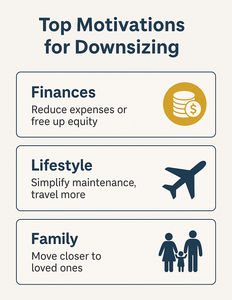
For many of my clients, the motivation comes down to one or more of the following:
- Finances: Reducing mortgage payments, lowering utility bills, or freeing up equity for retirement.
- Lifestyle: Less maintenance, more time to travel, or a more manageable floor plan.
- Family: Moving closer to grandchildren or to a more social community.
I once worked with a couple from Morehead City, let’s call them Bill and Sarah, who had raised their family in a sprawling four-bedroom home. When the kids moved out, the upkeep began to feel like more of a burden than a blessing. “We spend more time cleaning rooms we don’t use,” Sarah told me. They found a charming single-story cottage in Beaufort’s historic district, walking distance from their favorite coffee shop. The move changed their rhythm, their finances, and even their happiness.
Before jumping into logistics, stop and ask yourself: What is my goal here? If it’s just to save money, great; but also consider how this move will affect your lifestyle, relationships, and peace of mind.
2. Does Math Work in Your Favor?
Here’s where my financial background comes in handy.
Many homeowners assume downsizing automatically saves money. And often, it does. But it’s important to look at the full financial picture.
Start by reviewing your current home’s equity. According to The National Council on Aging (NCOA), the average homeowner aged 65+ has roughly $250,000 in home equity. That’s substantial. But keep in mind the costs involved in moving:
- Realtor commissions
- Home repairs and staging
- Legal and closing costs
- Movers and potential storage
- Possibly higher price-per-square-foot for a smaller home in a desirable location
And don’t forget about ongoing costs in the new home—property taxes, HOA dues, and insurance premiums.
| Expense Category | Current Home | Downsized Home |
|---|---|---|
| Mortgage/HOA Fees | $2,000/month | $1,200/month |
| Utilities | $350/month | $180/month |
| Maintenance | $200/month | $75/month |
| Property Taxes | $300/month | $200/month |
| Home Insurance | $150/month | $100/month |
| Total Monthly Cost | $3,000 | $1,755 |
I usually encourage my clients to complete a side-by-side comparison of current versus projected expenses. One recent client, Jane, a retired schoolteacher from Atlantic, saved nearly $1,100 a month after downsizing, even after accounting for HOA fees. That extra breathing room allowed her to finally take a European river cruise she had dreamed about for years.
3. How Much Space Do You Really Need?
More rooms don’t always mean more happiness.
This is a deeply personal and often emotional question. We grow attached to our homes because they hold our stories. Birthday parties. Holiday dinners. First day of school.
But when the kids have grown and moved out, what remains often feels like more house than heart. That’s why I always recommend clients walk from room to room and ask: When did I last use this? What purpose does it serve today?
Take stock of your daily patterns.
- Are you only using two rooms regularly?
- Is the upstairs off-limits due to stairs?
- Are you hosting less than you used to?
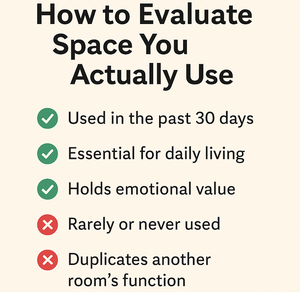
One couple I helped recently realized they hadn’t used their formal dining room in over three years. They preferred casual meals at the kitchen island or outside on the porch. Their new home has one open-concept space that serves both purposes, and they love how cozy it feels now.
Downsizing doesn’t have to mean living small. It means living smart with a home that matches your current lifestyle, not your past one.
4. Are You Emotionally Ready to Let Go?
This is often the hardest part.
It’s easy to calculate square footage. It’s much harder to let go of the dining table where your grandkids once finger-painted.
I’ve seen clients break down in tears as they pack photo albums or decide what to do with their adult children’s childhood bedrooms. That’s normal. You’re not just leaving a house, you’re closing a chapter.

But there’s beauty in that, too. I remember when Lugean and I helped a longtime neighbor, Mrs. Thompson, sort through her attic. She held up an old quilt her mother had made and said, “I’m ready to take this to my new place. Everything else can stay.” That quilt now sits on her favorite chair in her new condo by the marina.
The key is to start early and be gentle with yourself. Here are a few tips:
- Start with one closet or room at a time.
- Use the “Four-Box Method”: Keep, Donate, Sell, Discard.
- Invite family over to choose keepsakes. They'll appreciate it more than you think.
And don’t be afraid to hire help. There are excellent senior move managers and professional organizers who can guide you through the process.
5. Will Your New Home Support Your Future Lifestyle?
Downsizing is as much about where you’re going as it is about what you’re leaving.
When I sit down with clients, I always ask about what they want more of, not just less of.
- Do you want to be closer to family?
- Would you enjoy living in a walkable community?
- Is a one-floor layout going to help you age in place?
| Community | Walkability (Shops, sidewalks) | Healthcare Access (Hospitals, clinics) | HOA/Low-Maintenance | Clubs & Activities (Social opportunities) |
|---|---|---|---|---|
| Beaufort | 🚶♀️ High | 🏥 Excellent | ✔️ Yes | 🎣 Active |
| Morehead City | 🚶 Moderate | 🏥 Excellent | ✔️ Yes | 🏓 Moderate |
| Harkers Island | 🚗 Low | 🚑 Limited | ❌ No | 🎣 Casual |
Many of the folks I work with are drawn to neighborhoods where they can walk to shops, join a gardening club, or participate in church activities without needing to drive everywhere.
Take, for instance, the couple from Harkers Island who moved into a new patio home near downtown Beaufort. They told me, “We see more of our neighbors now than we ever did before.” They’ve joined a pickleball league and even started hosting fish fry Fridays. The move didn’t shrink their lives, it expanded them.
Look for homes that offer flexibility, social opportunities, and ease of living. And always consider access to healthcare, transportation, and community resources. Your new chapter should feel rich with possibilities, not limitations.
Pros and Cons: A Balanced View
Let’s look at both sides clearly.
Pros of Downsizing
- Reduced living expenses
- Lower maintenance and upkeep
- Freedom to travel or spend money elsewhere
- Better accessibility and aging-in-place features
- Closer connection to community and family
Cons of Downsizing
- Emotional difficulty in letting go
- Unexpected moving costs
- Risk of buyer’s regret if rushed
- Limited inventory of smaller homes in some areas
- Possible adjustment period
Understanding both the gains and the trade-offs is key to making a confident, informed decision.
Your Next Steps: A Simple Checklist
Thinking about making the move? Here’s where to begin:
✅ Reflect on your goals and motivations
✅ Review your home equity and current expenses
✅ Calculate all costs related to selling and buying
✅ Identify your must-haves for the new home
✅ Start decluttering in small steps
✅ Research potential neighborhoods
✅ Talk to a Realtor who understands your needs
And remember, you don’t have to rush. The process can be gradual and thoughtful.
Final Thoughts
Downsizing isn’t about giving up. It’s about stepping into a new season of life; one with less stress, more freedom, and more time for what matters most.
I’ve walked this journey with dozens of clients, and I’ve been through it myself. If you’re considering downsizing in Beaufort, Morehead City, or anywhere in Carteret County, I’d be honored to guide you.
At Star Team Real Estate, we don’t just help you buy or sell a home, we help you make the right move for your life. You’ll get straight answers, sound financial guidance, and the kind of care that comes from someone who’s lived in your shoes.
So if you’re ready to explore whether downsizing is right for you, let’s sit down over a cup of coffee and talk. No pressure, just honest conversation from someone who’s been there.
Call us at (252) 727-5656; you bring the questions, I’ll bring the experience.
Check out this article next