

Author: O.K. Hogan | REALTOR®/BROKER, CCIM, SFR
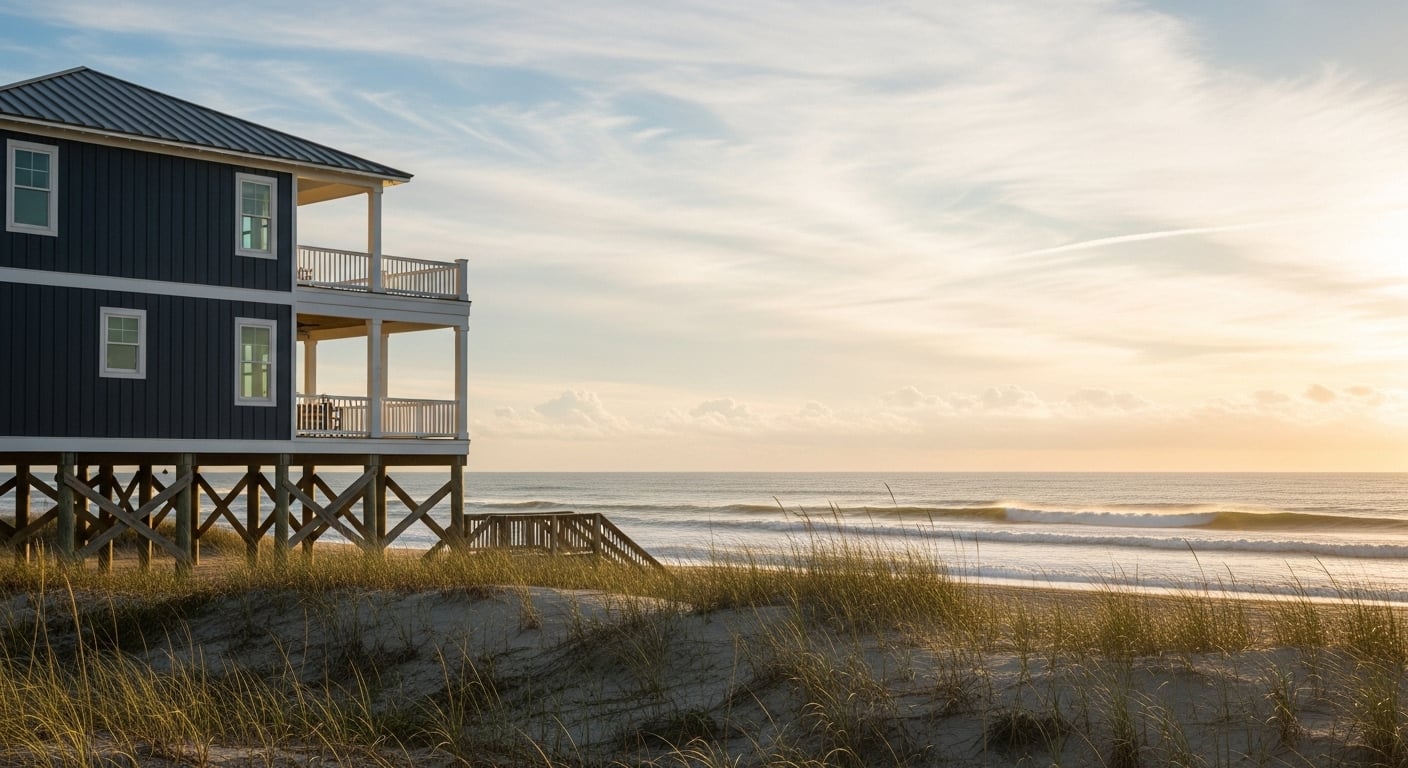
Purchasing beachfront property in Coastal North Carolina represents one of the most significant investments many people will make in their lifetime. The unique challenges of coastal real estate, from understanding flood zones and hurricane history to navigating complex oceanfront regulations, require specialized knowledge that goes far beyond typical residential property expertise. Finding the right realtor can mean the difference between a smooth transaction and costly mistakes that could impact your investment for years to come.
Coastal North Carolina's real estate market presents distinct opportunities and challenges. From waterfront towns along the Crystal Coast real estate market to lifestyle-driven communities across the Wilmington coastal communities real estate market, each location has its own character, regulations, and market dynamics. A qualified beachfront realtor should understand these nuances and help you navigate them effectively.
Essential Qualifications to Look For
Local Market Expertise and Track Record
When evaluating potential realtors, examine their transaction history specifically with beachfront properties. A qualified coastal realtor should have extensive experience with oceanfront, soundfront, and near-water properties in your target area. Look for someone who can discuss recent comparable sales, seasonal market trends, and area-specific pricing patterns with confidence and detail.
Ask potential realtors about their recent beachfront transactions. How many coastal properties have they sold in the past two years? Can they explain price variations between oceanfront and second-row properties in specific neighborhoods? Their answers will reveal the depth of their local market knowledge.
In our experience with coastal properties, realtors who truly understand the market can explain why pricing trends differ between Beaufort waterfront homes and surrounding neighborhoods and Morehead City coastal real estate markets, or how proximity to inlet areas affects property values and insurance considerations.
Understanding of Coastal Regulations and Environmental Factors
Beachfront property ownership involves navigating complex regulatory environments. A qualified realtor should be well-versed in FEMA flood zones, understand how flood insurance requirements vary by zone, and know how recent flood map changes might affect properties in your area of interest.
They should also understand setback requirements from the ocean, dune protection regulations, and any restrictions on modifications or rebuilding. Properties subject to the Coastal Area Management Act (CAMA) require permits for many improvements, and your realtor should be able to explain these requirements clearly.
Look for realtors who can discuss Area of Environmental Concern (AEC) designations and how these designations might impact future use, renovation plans, and long-term resale value.
Insurance and Financing Knowledge
Coastal property insurance is complex and expensive. A knowledgeable beachfront realtor should understand how different construction types, elevations, and distances from water affect insurance costs. They should be able to connect you with insurance agents who specialize in coastal coverage.
Similarly, financing beachfront properties often involves different requirements than traditional home purchases. Many buyers benefit from estimating ownership costs using a North Carolina home mortgage payment calculator while factoring in insurance, maintenance, and storm preparedness expenses unique to coastal homes.
Research and Vetting Process
Professional Credentials and Continuing Education
Start by verifying that any realtor you're considering holds an active North Carolina real estate license. Look for additional certifications that demonstrate commitment to coastal, resort, and second-home property markets.
Many professionals who provide full-service coastal home buying representation in North Carolina also stay current on flood insurance updates, zoning changes, and environmental regulations affecting beachfront ownership.
References and Reviews
Request references from recent beachfront buyers, particularly those who purchased similar properties in your target area and price range. Ask how the realtor handled coastal-specific challenges such as flood zone questions, insurance coordination, and regulatory requirements.
Online reviews can be useful as well; especially when they mention local coastal expertise rather than only general transaction experiences.
Market Knowledge Assessment
During initial conversations, assess their knowledge of the communities you're considering. A qualified coastal realtor should understand inventory levels, seasonal shifts, and pricing patterns across popular beachfront markets such as Emerald Isle, Atlantic Beach, Wrightsville Beach, and Carolina Beach.
They should also be able to explain how beach nourishment projects, storm history, elevation, and waterfront access influence long-term property values.
Red Flags to Avoid
Limited Coastal Experience
Be cautious of realtors who primarily work inland but claim they can handle beachfront transactions. Coastal real estate has a steep learning curve, and inexperience can lead to overlooked flood risks, insurance gaps, and regulatory complications.
If an agent struggles to explain flood insurance requirements, elevation certificates, or coastal setback rules, that’s a major warning sign.
Pressure Tactics or Unrealistic Promises
Avoid professionals who rush decisions without allowing time for inspections, regulatory review, and proper due diligence. A trusted beachfront realtor prioritizes long-term investment protection over quick closings.
They should also be transparent about risks such as erosion, hurricane exposure, and future zoning or environmental changes.
Questions to Ask Potential Realtors
- How many beachfront properties have you sold recently in this area?
- How do flood zones impact financing and insurance here?
- What coastal-specific inspections do you recommend?
- How do you stay updated on regulation changes?
Clear, detailed answers typically reflect real coastal experience.
Making Your Final Decision
The right beachfront realtor combines local market knowledge, regulatory expertise, strong communication, and honest guidance. They should help you navigate both the opportunities and challenges of coastal ownership with confidence.
Take time to interview multiple professionals before choosing. The expertise you select now can protect your investment for years to come.
If you're exploring beachfront property across North Carolina’s coastal markets and would like personalized guidance, working with an experienced coastal team such as Star Team Real Estate can provide clarity and confidence throughout the buying process. For tailored market insights or property questions, For tailored market insights or property questions, you can reach out to Star Team Real Estate.
Check out this article next